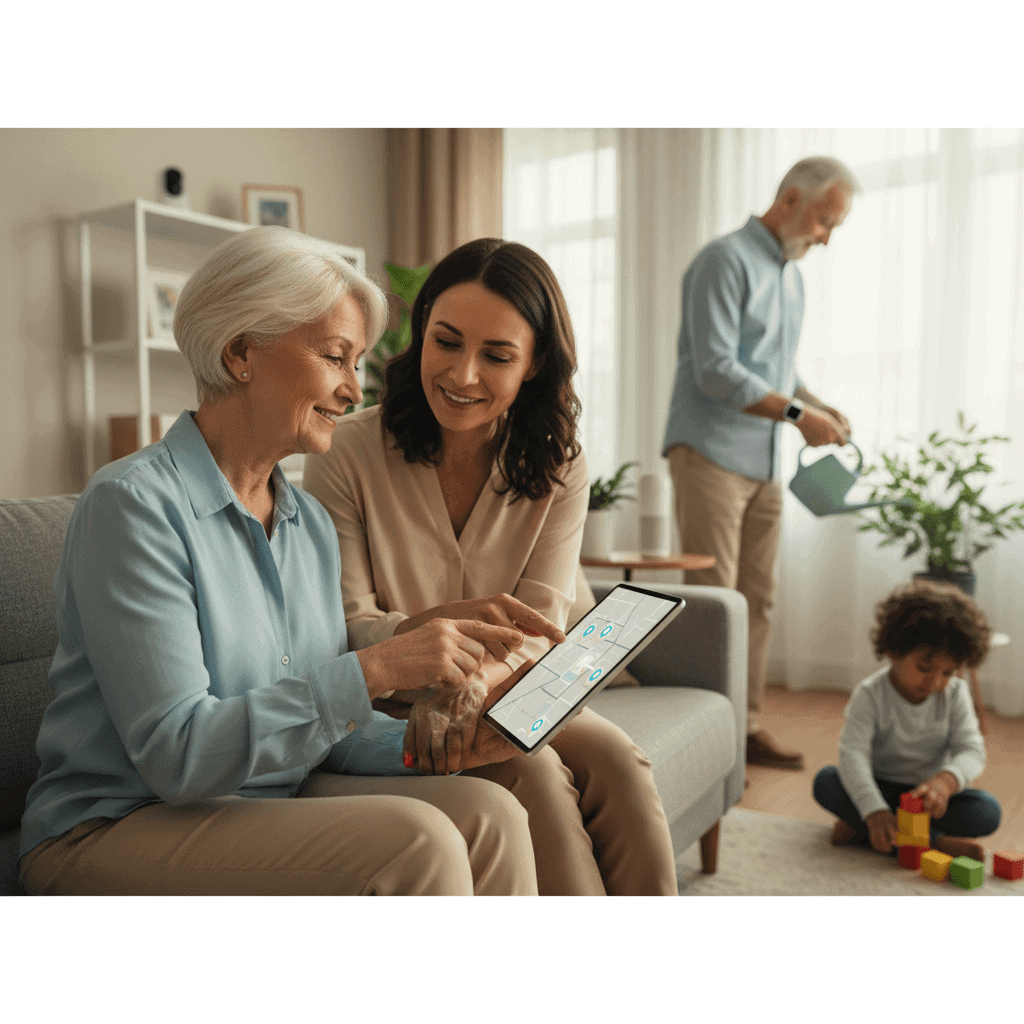
Caring for aging family members often raises a long list of questions, from safety and health tracking to privacy and cost. Home monitoring can reduce uncertainty by offering practical ways to observe daily patterns, respond to emergencies, and keep elders connected to family and health professionals. This article walks through realistic benefits and trade offs so you can make choices that match your family situation.
Whether your relative lives alone or with a partner, a well planned monitoring setup can catch problems early, reduce unnecessary hospital visits, and free up time for meaningful family interaction. Read on for examples, tips, and a clear decision checklist to help you pick the right approach for your household.
Why home monitoring matters for aging family members
As people age certain risks increase, such as falls, medication errors, and sudden health events. Statistics show that falls are a leading cause of injury among older adults, and many incidents go unwitnessed when a person lives alone. Home monitoring provides a way to detect unusual activity and call for help quickly.
Beyond emergency detection, monitoring can track daily routines that signal health changes. For example, a noticeable drop in kitchen activity may point to appetite loss or mobility trouble. Early detection of these trends often leads to better outcomes because interventions can be arranged before a crisis occurs.
Common types of home monitoring and how each helps
There is no single right system. Combining devices creates a fuller picture while matching the technology to personal needs keeps the setup acceptable to the person being monitored. Below are common categories and what they offer.
Sensors and motion based monitoring
Door and motion sensors report movement through rooms and entrances. They are discreet and useful for tracking routine patterns, such as when someone gets out of bed or leaves the house. If a routine changes significantly, family members receive alerts and can check in. These devices are generally low cost and easy to install.
Wearables and emergency pendants
Wearable devices like pendants and wristbands connect directly to emergency services or designated contacts. They are designed for quick manual alerts after a fall or sudden illness. Many wearables also include fall detection that triggers a call even if the person cannot press a button.
Other options include bed sensors and pressure mats that detect lack of movement during expected awake hours. These are helpful for seniors who might be at risk of wandering or who have sleep related health issues.
How monitoring supports independence and daily life
Home monitoring can preserve independence by allowing elders to remain in their own home longer while letting family monitor remotely. Instead of daily phone calls that feel intrusive, subtle check ins through technology let relatives see whether routines are stable. This reduces anxiety for both sides while keeping interactions focused on quality time rather than status checks.
- Example 1, medication reminders paired with a simple sensor can confirm whether pillbox doors are opened at scheduled times.
- Example 2, activity reports from motion sensors can show if someone is spending more time in bed or less time in the kitchen, which may indicate health decline.
- Tip, agree on thresholds ahead of time. Decide what level of change triggers a phone call, office visit, or emergency response.
Privacy and consent considerations when monitoring a home
Monitoring must be implemented with respect for the dignity and rights of the person being watched. Start by having an open conversation about goals, what will be monitored, and who will receive alerts. Written consent helps avoid misunderstandings later.
When installing cameras avoid private areas such as bathrooms and bedrooms unless there is a clear medical need and explicit consent. Many families prefer motion or door sensors as less intrusive alternatives when privacy is a strong concern.
Data security and ownership
Ask providers where data is stored and who can access it. Some systems store video and logs in the cloud while others keep information locally. Choose a provider that uses encryption and strong authentication so that sensitive information remains protected. Also verify policies for data retention and deletion in case you want records removed after a given period.
Cost, installation, and ongoing maintenance
Costs vary widely depending on the level of service. Basic sensors and door contacts can run a modest one time fee, while full systems with cameras, monitoring service, and fall detection subscriptions carry monthly charges. Installation can be DIY for simple sensor packs. Professional installation can be helpful for whole home systems or if wiring is needed.
- Budget tip, start with a small pilot system in one or two rooms to test usefulness before expanding.
- Maintenance tip, set calendar reminders for battery checks and firmware updates to keep devices functioning.
- Subscription note, factor monthly monitoring fees into your long term costs when comparing options.
Practical steps to choose the best solution for your family
Choosing technology is easier when you match features to the most pressing needs. Start by listing the top three concerns, such as fall detection, medication adherence, or alerting when someone leaves the home at night. Then compare systems based on those priorities.
Questions to ask before purchasing
- Does the system send real time alerts to family or to a paid monitoring center
- Will the device work with the home internet or does it require a separate cellular plan
- How long is data stored and can it be deleted on request
- What happens in a power outage or internet interruption
- Are there demonstration units or trial periods to test the device in real conditions
Piloting and involving medical professionals
Bring a simple pilot unit home for a few weeks to see how it affects daily life. Include the senior in setup and testing so they can express comfort or concerns. If chronic conditions are present, ask a primary care physician or geriatric nurse for input on which monitoring modes would be most clinically useful.
For families exploring options there are resources that review vendors and compare features in clear terms. One useful place to start learning specifics about available products and installation is this overview of elderly monitoring solutions, which covers common questions and practical buying tips.
Real life examples and lessons from families
Case study A, a retired teacher living alone used motion sensors and a wearable pendant. The family set alerts for missed kitchen activity after 9 a.m. One weekend a sensor report showed little movement and a call to emergency services revealed a stroke, with treatment started in time to limit lasting damage.
Case study B, an older couple disliked cameras but agreed to door and bed sensors after discussing privacy. The setup picked up a pattern of nighttime wandering. A physician recommended medication adjustments and daytime exercise, which reduced the behavior and kept the couple safe at home.
Common lessons, communicate openly, start small, and treat the technology as a backup rather than the single source of care. Frequent family conversations about feelings and boundaries will make the system acceptable for everyone involved.
Next steps and a simple checklist for moving forward
Use this quick checklist to move from curiosity to action. First, list primary concerns such as falls, wandering, or medication. Second, choose one or two device types to test. Third, plan a trial period and agree on who receives alerts. Fourth, discuss privacy and consent with the senior before installing anything. Finally, schedule regular reviews to see whether the system meets expectations and to make adjustments.
Monitoring technology is not a substitute for personal care, but it can act as a helpful layer that supports independence and early problem detection. With thoughtful planning and clear rules, families can gain useful insight while preserving dignity.
In summary, home monitoring offers concrete advantages for aging family members. It reduces the time it takes to detect emergencies, highlights gradual changes in behavior that can indicate health decline, and allows family caregivers to be involved from afar. When choosing a system weigh the balance between the level of monitoring, privacy preferences, and cost. Start with a small test and involve medical providers when health issues are present. If you are ready to explore options, gather a short list of priorities and trial a few devices so you can see real benefits before making a larger commitment. Taking these steps will help protect loved ones while keeping daily life as normal as possible. Reach out to providers for demos, compare costs carefully, and involve the person being monitored at every step.